

Choosing the right fencing for your garden or property in Northern Ireland isn’t just about appearance — it’s about durability. With frequent rain, strong winds, damp conditions, and occasional frost, fencing materials need to withstand much harsher weather than in many other parts of the UK.
In this guide, we’ll break down the best fencing materials for Northern Ireland weather, their pros and cons, and which options are best suited for long-lasting results.
Why Weather Matters When Choosing Fencing in Northern Ireland
Northern Ireland’s climate presents several challenges for outdoor fencing:
- High rainfall and moisture
- Strong winds, especially in exposed or coastal areas
- Frost and temperature changes
- Moss, algae, and rot risks
That’s why choosing weather-resistant fencing materials is essential if you want to avoid warping, rotting, rusting, or frequent replacements.
1. Pressure-Treated Timber Fencing (Best All-Round Choice)
Pressure-treated timber is one of the most popular fencing materials in Northern Ireland — and for good reason.
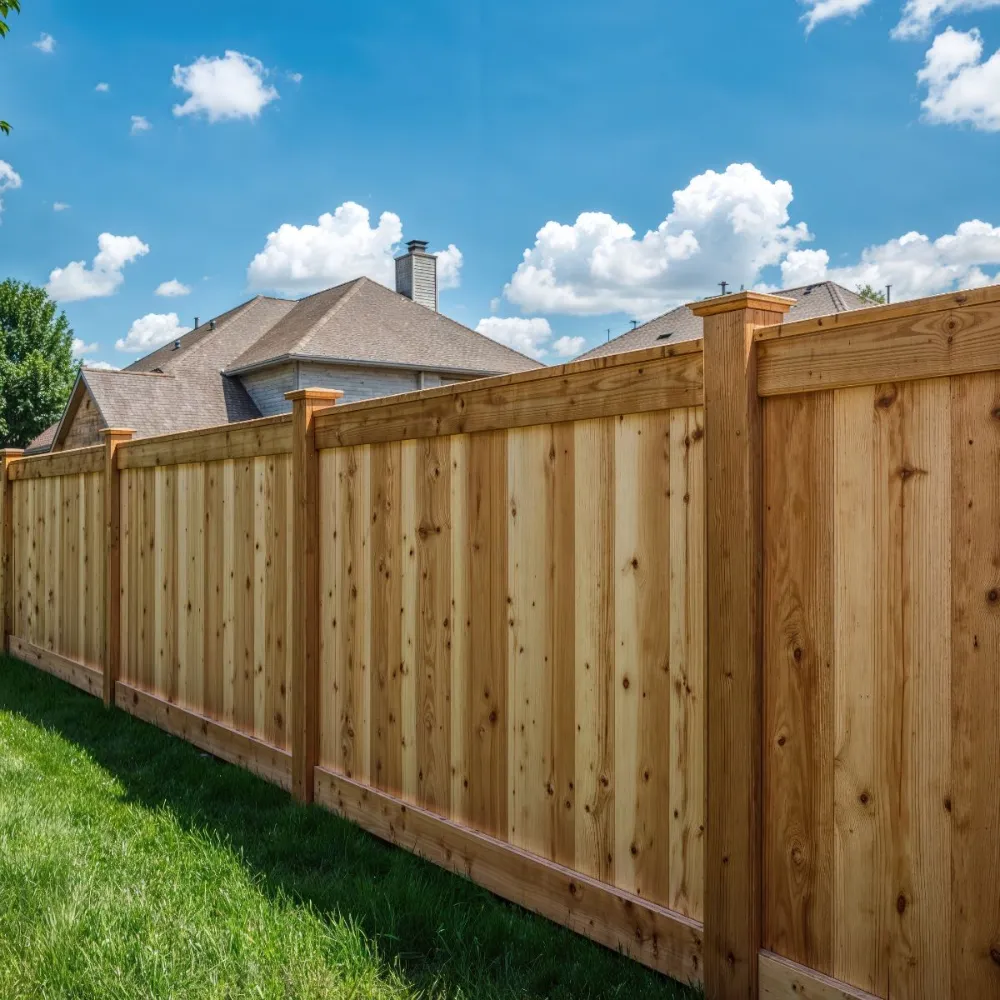
Why it works well:
- Treated to resist rot, fungi, and insects
- Handles wet conditions far better than untreated wood
- Affordable and widely available
- Natural appearance that suits most gardens
Things to consider:
- Requires periodic staining or painting
- Can warp over time if not installed correctly
Best for: Garden fencing, boundary fencing, decorative panels, and privacy screens.
Tip: Always choose pressure-treated posts and panels for longer life in damp conditions.
2. Concrete Fence Posts and Gravel Boards (Best for Wet and Windy Areas)
Concrete components are extremely popular in Northern Ireland due to their strength and moisture resistance.
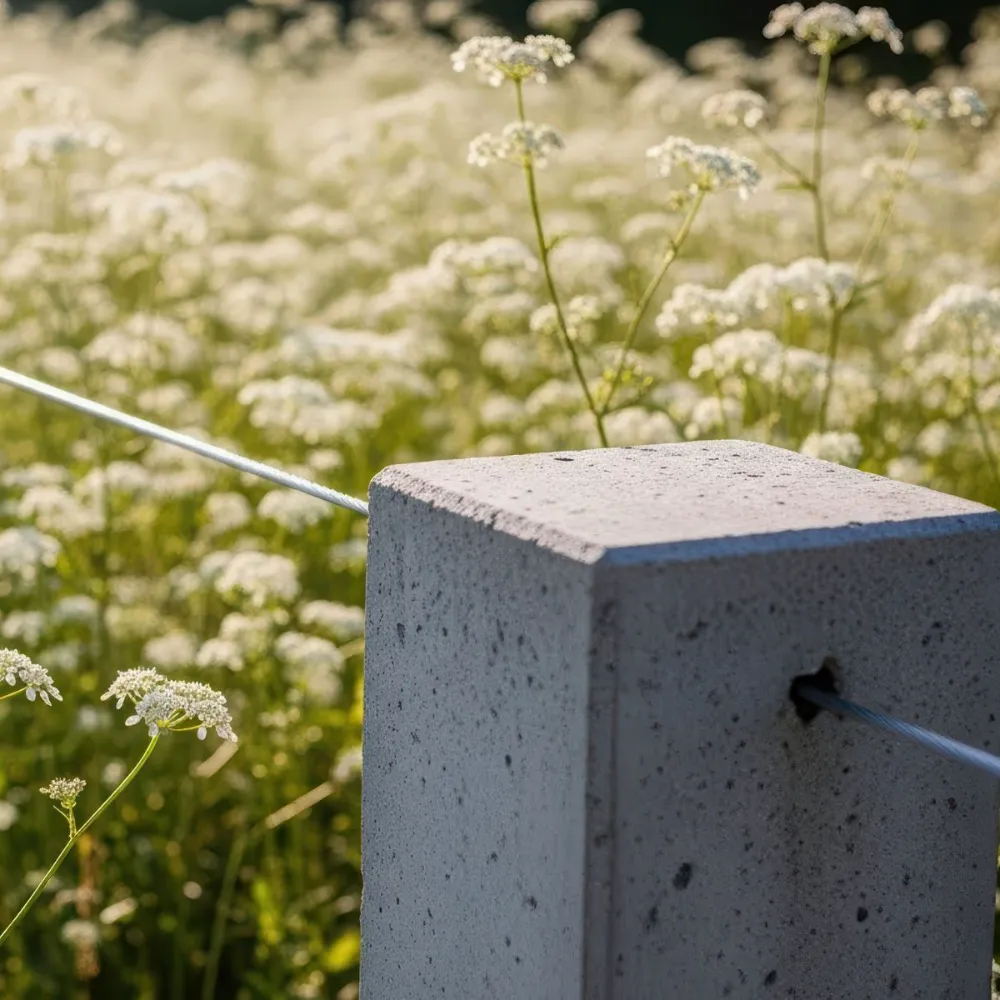
Benefits:
- Will not rot, rust, or warp
- Excellent for high-wind locations
- Very long lifespan
- Ideal for use with timber panels
Things to consider:
- Heavier to install
- More industrial appearance
Best for: Structural strength, storm resistance, and long-term installations.
Concrete posts combined with timber fencing panels are one of the most durable fencing systems for Northern Ireland gardens.
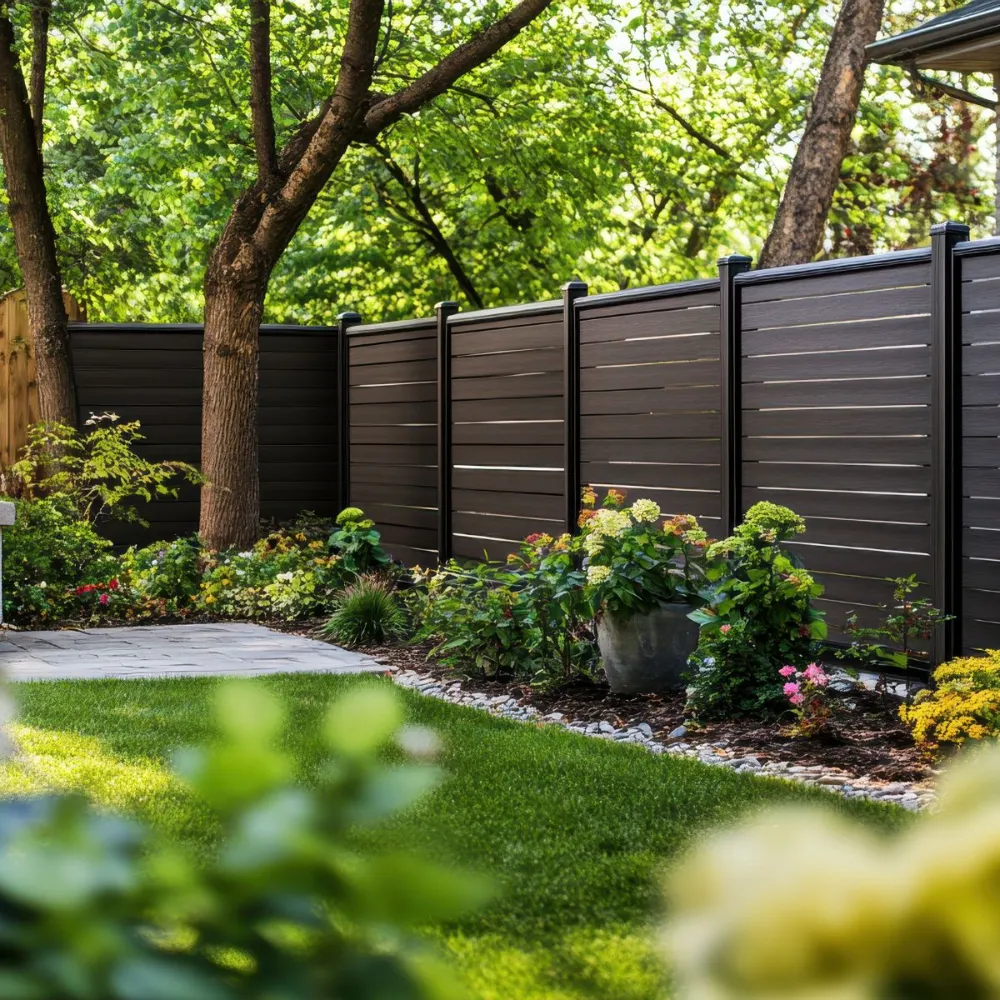
3. Composite Fencing (Low-Maintenance Option)
Composite fencing is made from recycled plastics and wood fibres, designed specifically to withstand harsh weather.
Benefits:
- Highly resistant to moisture
- Won’t rot, crack, or splinter
- Minimal maintenance
- Modern, clean appearance
Things to consider:
- Higher upfront cost
- Less traditional look
Best for: Homeowners wanting a long-lasting, low-maintenance fencing solution.
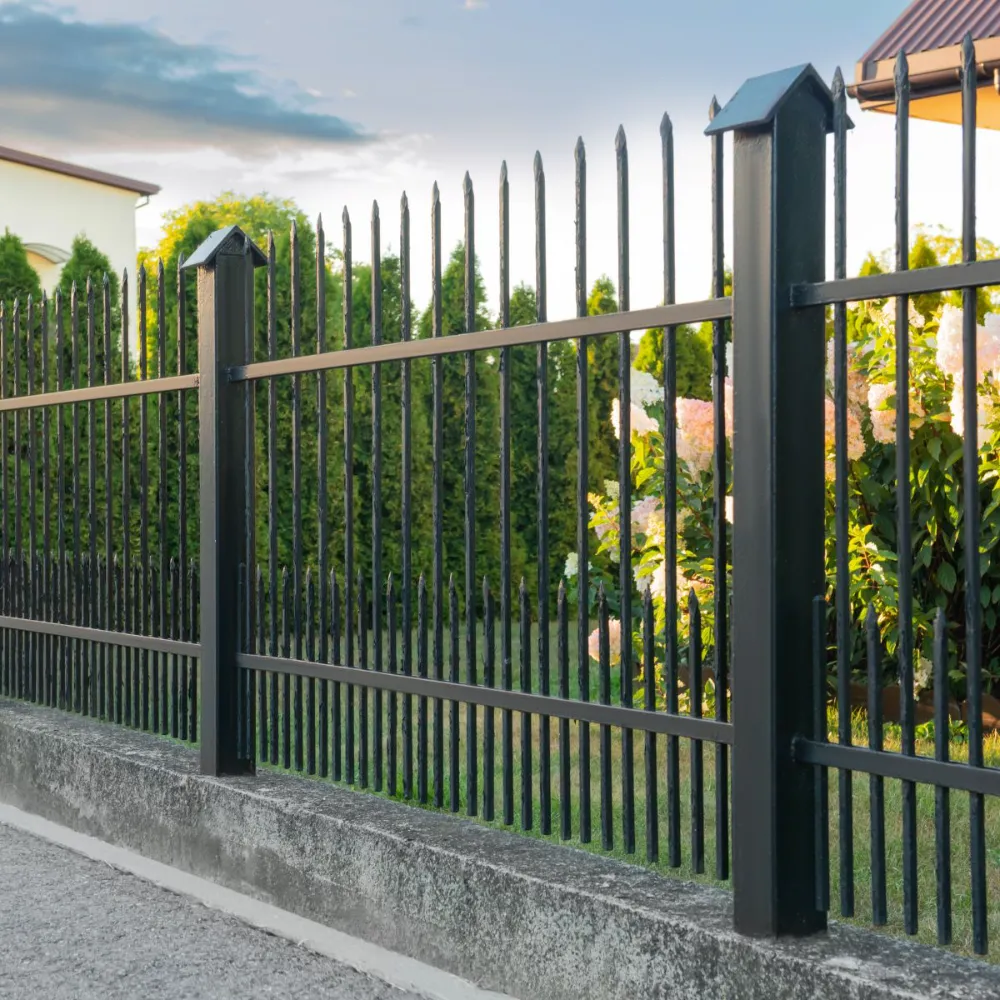
4. Metal Fencing (Strong and Storm-Resistant)
Steel and aluminium fencing perform very well in high-wind environments.
Benefits:
- Extremely strong and durable
- Resistant to wind damage
- Galvanised coatings protect against rust
- Excellent for security fencing
Things to consider:
- Can be more expensive
- Less privacy unless paired with panels or slats
Best for: Front gardens, security fencing, commercial properties, and exposed areas.
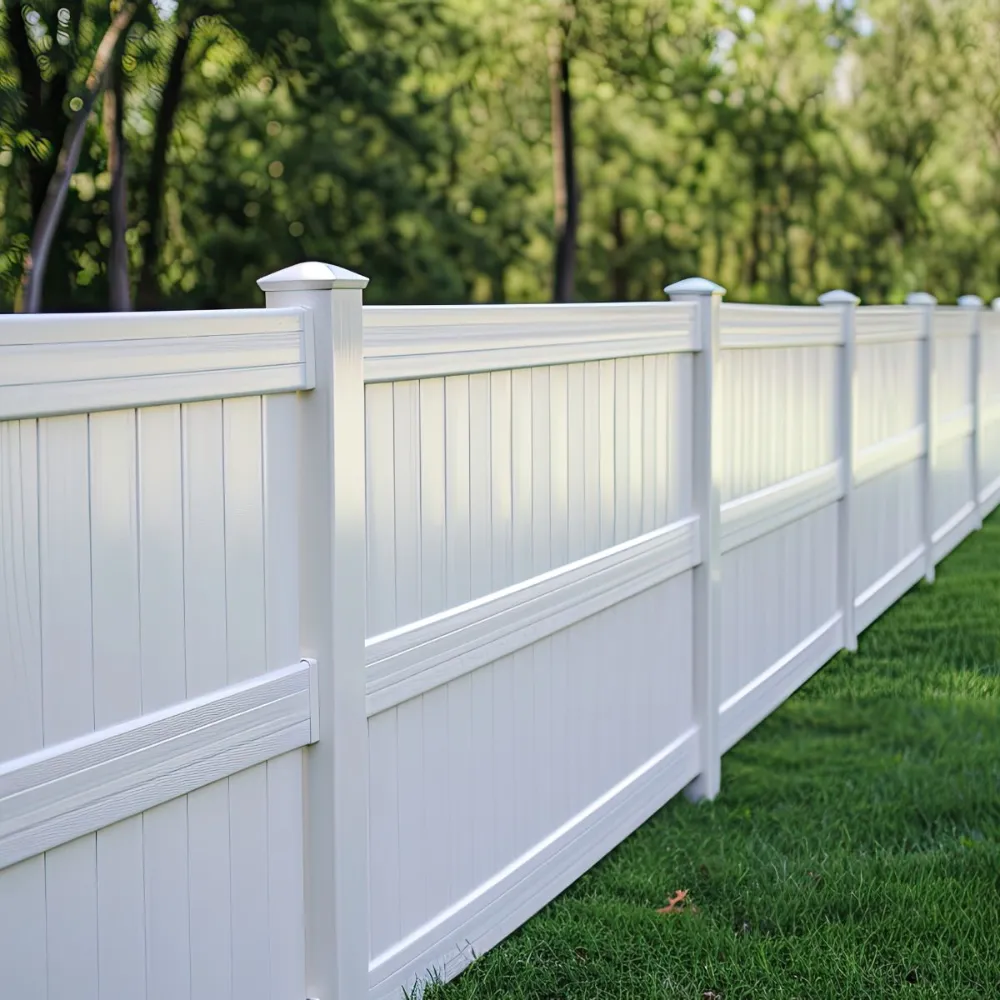
5. Plastic / uPVC Fencing (Moisture-Proof but Wind-Sensitive)
Plastic fencing is completely waterproof and rot-proof, making it appealing in wet climates.
Benefits:
- Won’t rot, rust, or require painting
- Easy to clean
- Good for decorative garden fencing
Things to consider:
- Can become brittle in cold weather
- Not ideal for very windy locations
- May fade over time
Best for: Decorative fencing, low-wind gardens, and low-maintenance projects.
Best Fencing Choice for Northern Ireland: Quick Comparison
| Material | Weather resistance | Maintenance | Lifespan | Best use |
| Pressure-treated timber | Very good | Medium | 10–15 years | Gardens and boundaries |
| Concrete posts | Excellent | Very low | 25+ years | Structural support |
| Composite fencing | Excellent | Very low | 20+ years | Modern gardens |
| Metal fencing | Excellent | Low | 20+ years | Security and exposed areas |
| Plastic fencing | Good | Very low | 10–15 years | Decorative use |
Installation Tips for Fencing in Northern Ireland
To maximise lifespan in local conditions:
- Use concrete posts or post-mix instead of untreated timber posts
- Install gravel boards to prevent panels sitting in wet soil
- Choose galvanised fixings to prevent rust
- Apply wood treatment every 2–3 years
- Ensure fencing is securely anchored for high winds
Get the Right Fencing Materials at Islandbawn
Whether you’re building a new fence or replacing storm-damaged panels, Islandbawn stocks a wide range of fencing panels, posts, fixings, timber, and concrete products suitable for Northern Ireland’s weather.
Our team can also advise on:
- The best materials for exposed areas
- Post spacing and installation methods
- Treatments to extend fence life